
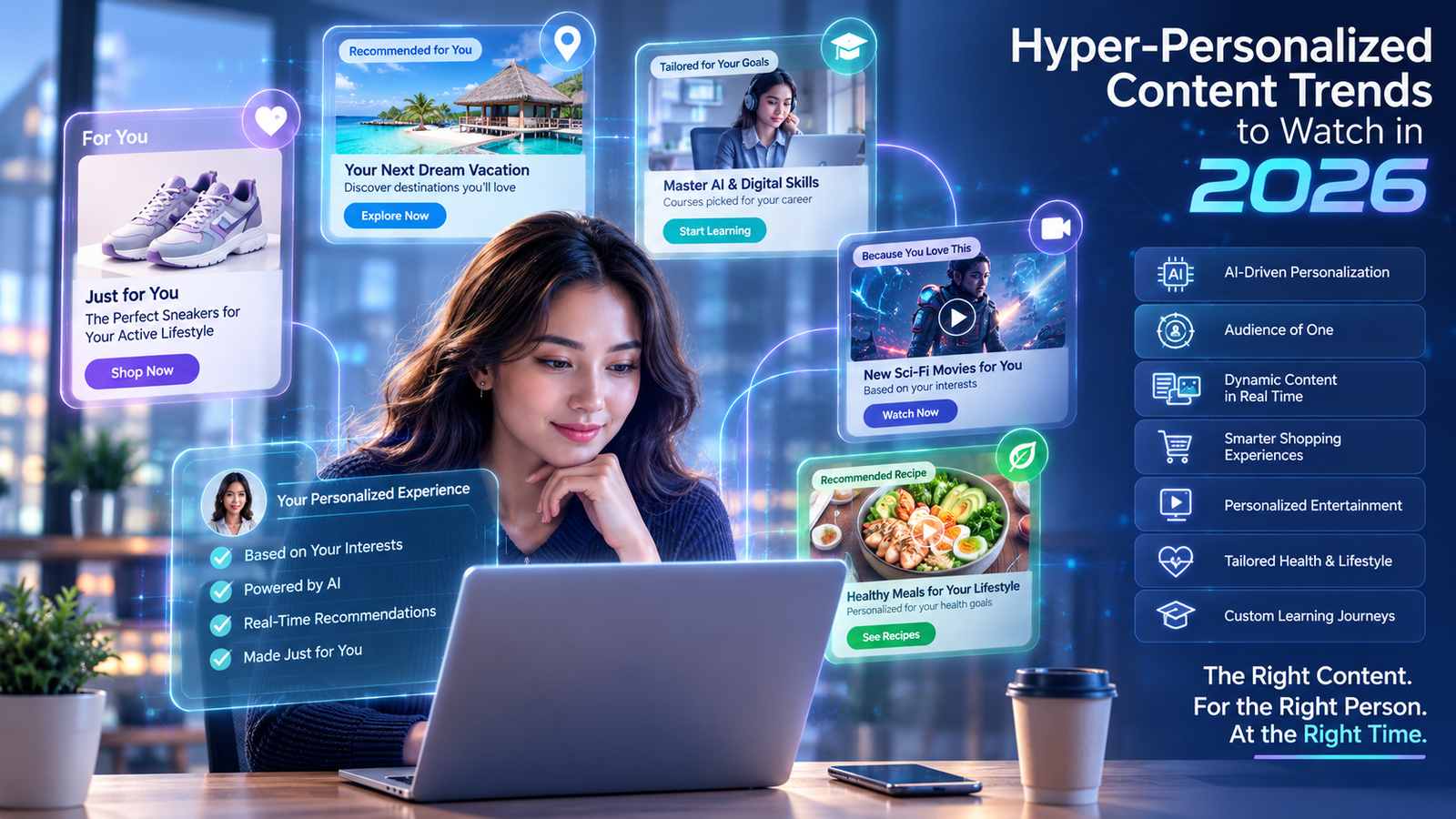
How Hyper-Personalized Content Boosts Engagement – Hyper-personalization in content marketing represents a significant evolution from traditional personalization strategies. While traditional approaches often include the use of basic demographic data to create personalized content, hyper-personalization takes into account a broad spectrum of individual user behaviors, preferences, and real-time data. This means that content can be tailored not just based on who the consumer is, but on how they interact with various touchpoints and platforms.
The rise of advanced technologies, including artificial intelligence (AI) and data analytics, has been a driving force behind this shift towards hyper-personalization. These tools allow marketers to sift through vast amounts of data to identify patterns in consumer behavior, making it possible to deliver highly relevant content in a timely manner. For instance, AI algorithms can analyze not only past purchases, but also social media interactions and browsing history to predict what type of content the user is likely to engage with next.
Moreover, the significance of gathering and analyzing customer data cannot be overstated. By leveraging this information, brands can create dynamic content experiences that resonate more deeply with their audience. This data-driven approach enhances user engagement, as consumers are more likely to interact with content that speaks directly to their interests and needs. As a result, hyper-personalized content fosters a stronger connection between brands and consumers, ultimately driving higher conversion rates and customer loyalty.
In this rapidly changing digital landscape, understanding and implementing hyper-personalization strategies can transform content marketing efforts, enabling brands to stand out in a crowded marketplace. The ability to deliver personalized content experiences that are informed by real-time data will not only enhance user engagement but also ensure that marketing strategies remain effective and relevant.
The Psychological Impact of Personalized Content on Engagement
In the realm of digital marketing, the rise of hyper-personalized content has underscored the significance of psychological elements influencing audience engagement. One crucial aspect to consider is the mere exposure effect, which posits that individuals develop a preference for things merely because they are familiar with them. When consumers are presented with tailored content that resonates with their preferences, they are more likely to engage with it. This phenomenon highlights the importance of personalized experiences, whereby brands can forge a deeper connection with their audience through relevant messaging.
Additionally, hyper-personalized content fosters emotional connections with users. By addressing the specific interests, pain points, or needs of individuals, brands can create a narrative that feels both unique and relatable. For instance, streaming platforms like Netflix utilize advanced algorithms to recommend shows and movies based on users’ viewing histories. This tailored approach not only enhances user satisfaction but also keeps viewers engaged for extended periods, illustrating the efficacy of emotional resonance in driving audience retention.
A sense of belonging is another psychological outcome of effective personalized content strategies. By creating content that reflects the identities and values of specific audience segments, brands can cultivate a community where individuals feel seen and valued. Social media platforms often leverage this concept through targeted advertising that aligns with users’ interests or beliefs. For example, brands like Nike frequently produce campaigns that showcase individuals from diverse backgrounds, thus creating a narrative that resonates with their audience on a personal level. This sense of belonging, fostered by personalization, significantly contributes to higher engagement rates, as individuals are more inclined to interact with brands that acknowledge and celebrate their uniqueness.
Strategies for Implementing Hyper-Personalized Content
To effectively implement hyper-personalized content, brands must employ a multifaceted strategy. One fundamental approach involves segmenting audiences. By categorizing customers based on behavior, preferences, demographics, and purchase history, brands can tailor messages more specifically to each group. This segmentation allows for targeted content delivery, thereby increasing engagement rates.
Another integral strategy is the utilization of advanced data analytics. By collecting and analyzing large datasets, brands can derive insights into consumer behavior that inform content creation. This data enables marketers to identify trends, challenges, and opportunities, facilitating informed decisions that enhance engagement through targeted content.
Furthermore, leveraging machine learning technologies can automate and enhance the personalization process. Machine learning algorithms analyze user interactions and preferences over time, enabling real-time adjustments to content delivery. This dynamic responsiveness ensures that the content remains relevant to users, thereby maximizing engagement potential.
Implementing a robust A/B testing framework is also crucial. This method allows businesses to test different content variations with distinct audience segments to determine which resonates most effectively. By analyzing response rates and performance metrics, marketers can refine their hyper-personalized strategies accordingly, ensuring continual improvement in engagement.
Lastly, a coherent content strategy that aligns with the brand’s overall messaging is vital. While personalization is crucial, content should also reflect the brand’s identity and values. Seamless integration of personalization ensures that while consumers receive tailored messages, they still connect with the broader brand narrative, enhancing both engagement and brand loyalty.
Measuring the Impact of Hyper-Personalized Content on Engagement Metrics
Understanding the effectiveness of hyper-personalized content requires careful measurement through specific key performance indicators (KPIs). Primarily, click-through rates (CTR) serve as a foundational metric, allowing brands to gauge the immediate interest generated by personalized messages. A significantly higher CTR than standard content can indicate a successful personalization strategy, proving that tailored messages resonate more with the target audience.
Alongside CTR, conversion rates are crucial, as they reflect the extent to which viewers move from engagement to action, such as making a purchase or signing up for a newsletter. Higher conversion rates can often be attributed to the alignment of personalized content with users’ preferences and behaviors, thereby enhancing the likelihood of fulfilling user intentions.
Another pertinent metric is customer retention, which measures loyalty and the effectiveness of hyper-personalized content in keeping customers engaged over time. Retaining customers is often less costly than acquiring new ones, so utilizing personalized strategies that encourage customers to return can have a substantial impact on a brand’s bottom line.
To enhance overall engagement metrics, brands should also measure the time spent engaging with the content and the frequency of interactions. These metrics provide insight into how compelling the hyper-personalized content is, informing future strategies. Tools like Google Analytics, HubSpot, and specific CRM platforms can aid in the analysis of these metrics, allowing for more informed decision-making.
Post-implementation, it is vital to analyze these data points comprehensively to identify patterns and trends. By leveraging robust analytical methodologies, brands can refine their content strategies continually, ensuring that hyper-personalized content not only engages the audience but also drives measurable business outcomes.