
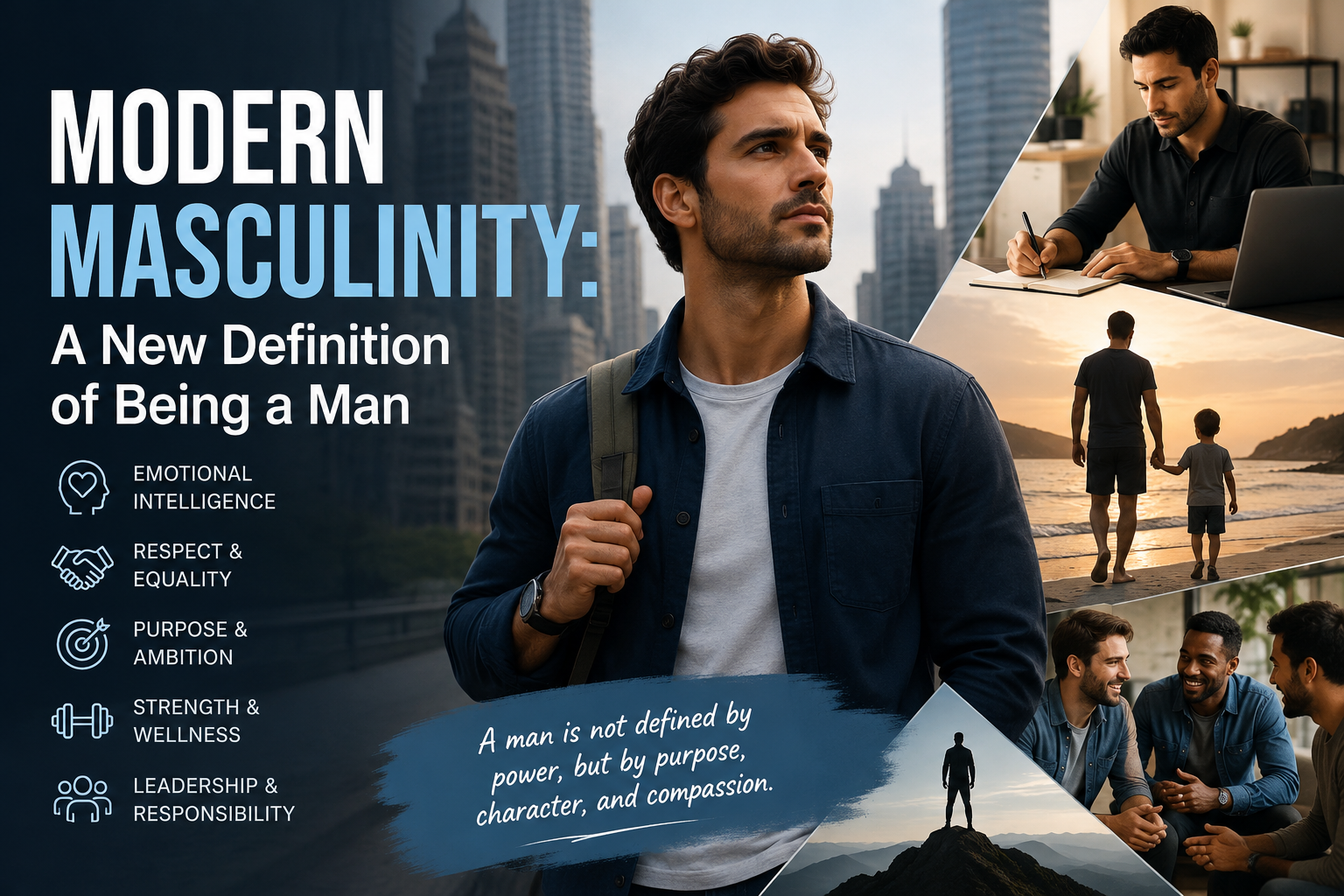
Modern Masculinity: A New Definition of Being a Man – Throughout history, the concept of masculinity has undergone significant transformations, shaped by a multitude of cultural, social, and political influences. In ancient societies, masculinity was predominantly defined by the warrior archetype. Men were often seen as the protectors and defenders of their communities, expected to embody physical strength and bravery. This perception set the foundation for traditional masculine roles that emphasized dominance and aggression.
As civilizations evolved, so too did the roles that men were expected to fulfill. The industrial revolution brought about a shift in men’s responsibilities, as they emerged as the primary providers for their families. This notion of the male as the breadwinner solidified a perception of masculinity tied to economic success and societal authority. However, as gender roles began to be scrutinized, particularly during the mid-20th century, the rigid definitions of masculinity began to face challenges.
Movements such as feminism and the push for gender equality prompted a reevaluation of traditional masculine roles. The feminist movement of the 1960s and 1970s, for instance, highlighted the limitations imposed by conventional masculine expectations, advocating for a more equitable distribution of responsibilities and opportunities for both men and women. This resulted in a broader understanding of masculinity that transcended binary definitions, allowing for a greater exploration of emotional expression, vulnerability, and partnership.
Today, the historical context of masculinity illustrates a narrative in flux, where the characteristics once revered are being redefined in the light of contemporary values. As society continues to challenge outdated stereotypes and embrace diverse expressions of gender, the evolution of masculinity will remain a critical conversation. This ongoing dialogue is essential for understanding how historical perspectives inform our current definitions of what it means to be a man.
Characteristics of Modern Masculinity
Modern masculinity encompasses a range of characteristics that redefine traditional views of manhood. Central to this new perspective are traits such as vulnerability, emotional intelligence, and supportiveness. These aspects not only broaden the understanding of what it means to be a man, but also challenge outdated stereotypes that often portray men as stoic, aggressive, and emotionally detached.
Vulnerability, often perceived as a weakness, is a crucial characteristic of modern masculinity. It allows men to express their emotions, share their struggles, and connect with others on a deeper level. Embracing vulnerability fosters stronger relationships, as it encourages trust and openness. Men who are willing to show their authentic selves create a safe space for others, particularly in personal and familial settings, where emotional dialogues can take place without fear of judgment.
Emotional intelligence is another vital trait associated with contemporary manhood. This skill involves recognizing, understanding, and managing one’s emotions while also empathizing with others. Men who cultivate emotional intelligence are better equipped to handle interpersonal conflicts and support their partners and friends through challenging times. This quality not only benefits individual well-being but also contributes to healthier relationships.
Moreover, supportiveness stands out as a key attribute of modern masculinity. It involves being there for others, whether in personal situations, professional environments, or social contexts. A supportive man plays a vital role in the lives of those around him, offering encouragement and assistance. By actively promoting the success and happiness of others, men can solidify their positions as positive role models and allies.
Incorporating these characteristics into daily routines allows men to embody a more holistic view of masculinity. By striving to be vulnerable, emotionally intelligent, and supportive, men not only contribute to their personal growth but also help dismantle harmful stereotypes associated with traditional masculinity.
Challenges to Embracing Modern Masculinity
In today’s evolving societal landscape, the concept of masculinity is undergoing significant transformation. However, many men encounter various challenges as they strive to adopt a contemporary understanding of masculinity. One of the most formidable obstacles is the fear of judgment from peers and society at large. Men often grapple with the expectation to conform to traditional masculine norms, which can inhibit their willingness to express vulnerability or seek help.
Additionally, pressure from peer groups can perpetuate harmful stereotypes. Many men find themselves in environments where acting tough or stoic is valued over emotional openness. Such settings foster an environment where expressing feelings, whether it be sadness, fear, or empathy, is stigmatized. Consequently, this stigma can lead to detrimental mental health issues, as many men hesitate to communicate their emotions out of concern for being perceived as weak.
Traditional male role models often reinforce outdated norms of masculinity, which can burden younger generations. These role models, whether in family settings, media portrayals, or educational institutions, may inadvertently send messages that equate worthiness with toughness, self-reliance, and a lack of emotional expression. This perpetuation of traditional values complicates the journey towards embracing a more fluid and healthy masculinity.
Overcoming these challenges requires a multi-faceted approach. First, fostering supportive communities where men can freely discuss their emotions without fear of ridicule can significantly alleviate pressure. Secondly, promoting positive alternatives through media representation can help reshape expectations of masculinity. Moreover, encouraging mentorship programs that emphasize emotional intelligence and vulnerability can provide guidance for men navigating these complex societal pressures. Ultimately, changing the narrative around masculinity is essential for men to embrace a more holistic and fulfilling identity.
The Benefits of a New Definition of Masculinity
Embracing a modern definition of masculinity offers numerous advantages that can significantly enhance the lives of men and the society they inhabit. By redefining what it means to be a man, individuals can foster better mental health outcomes. Traditional masculinity often imposes narrow emotional expectations, leading men to suppress their feelings. A contemporary approach encourages emotional openness and vulnerability, paving the way for healthier expression of emotions. This shift can contribute to decreased rates of depression and anxiety among men.
In addition to mental health benefits, reimagining masculinity can lead to improved interpersonal relationships. Men who adopt a broader perspective of masculinity are more likely to build strong, supportive connections with family, friends, and romantic partners. By valuing communication, empathy, and cooperation over dominance and aggression, men can cultivate deeper bonds that enrich their lives. This positive change can have a ripple effect, fostering healthier familial dynamics and contributing to more harmonious communities.
Furthermore, embracing a new vision of masculinity has the potential to reduce violence and promote equality in society. When men are encouraged to embody traits such as respect and understanding rather than aggression and entitlement, the societal patterns of violence against others, especially women, can decrease. This reformation could lead to a more equitable society where individuals are judged by their character rather than their adherence to traditional gender norms.
There are inspiring real-life examples of men who have adopted this new definition and experienced profound changes in their lives. For instance, many have engaged in advocacy against violence and have worked towards creating supportive environments for both men and women. These stories serve as powerful reminders of the positive impact that redefining masculinity can have on individuals and communities alike, ultimately fostering a culture of respect, equality, and support.
This content sponsored by https://www.ez96live.com/.