
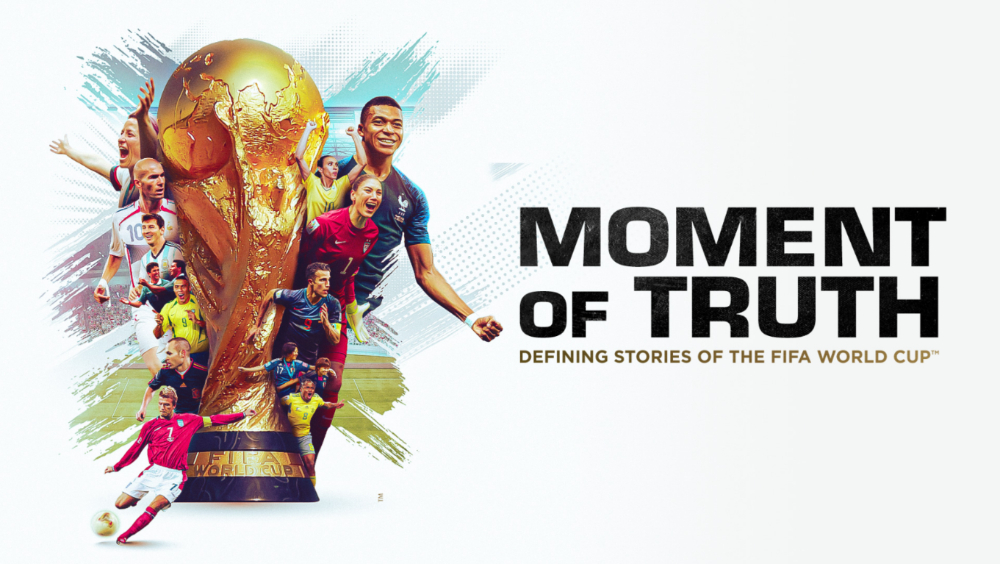
FIFA Is Expanding Beyond Traditional Broadcasting
FIFA is embracing digital-first distribution strategies ahead of the 2026 World Cup, partnering with creators and streaming platforms to reach younger audiences who increasingly consume content online rather than through traditional television.
Influencer-Led Platforms Are Gaining Importance
In Brazil, all 104 World Cup matches will be available through CazéTV, a creator-driven streaming platform led by influencer Casimiro Miguel. The move highlights the growing role of digital creators in sports media distribution.
Short-Form Content Continues to Grow
FIFA has also expanded partnerships with platforms such as YouTube and TikTok, allowing selected live content and interactive experiences to reach fans directly through social media channels.
Digital Storytelling Is Becoming a Core Strategy
Sports organizations are increasingly investing in creator-led storytelling, behind-the-scenes content, and audience engagement initiatives to build stronger connections with younger demographics.
Traditional Media Faces New Competition
The shift toward digital distribution presents challenges for traditional broadcasters, which must now compete with influencers, streaming platforms, and independent content creators for audience attention.
Publishers Are Adapting to AI and Creator Trends
Across the publishing industry, media companies are exploring AI-powered content workflows, personalized content delivery, and creator partnerships as consumer habits continue to evolve.
Personal Brands Are Reshaping Media Consumption
Industry analysts note that audiences are increasingly following individual creators and personalities rather than traditional media brands, accelerating the growth of the creator economy.
The Future of Publishing Is Digital-First
As publishers, media companies, and content creators compete for attention, digital storytelling, personalized experiences, and direct audience engagement are expected to become even more important in the years ahead.